What does underlayment do and do I always need it?
+
Underlayment is a thin layer of material installed between your subfloor and your new flooring. It cushions the floor for a more comfortable feel underfoot, reduces sound transmission between floors, provides a small thermal barrier, and in some cases acts as a moisture barrier. Whether you need it depends on the flooring type and the subfloor. Many rigid core LVP and laminate products come with underlayment pre-attached. If yours does not, adding it is recommended -- especially over concrete or in multi-story homes where sound reduction matters.
What type of underlayment should I use for luxury vinyl plank?
+
For LVP without pre-attached underlayment, use a thin (1mm to 2mm) foam or cork underlayment that is approved for use with vinyl flooring. Avoid thick or overly soft underlayment with LVP -- the excess compression can stress the locking joints over time and potentially void the manufacturer warranty. Always check what the product manufacturer recommends. For installations over concrete, choose an underlayment with a built-in moisture barrier.
What type of underlayment is best for sound reduction?
+
Cork and rubber underlayments provide the best sound reduction, absorbing both impact noise (footsteps) and airborne sound better than basic foam. If you are installing flooring in a multifamily building, upper floor of a home, or any space where noise transmission is a concern, look for underlayment with an IIC (Impact Insulation Class) rating and an STC (Sound Transmission Class) rating. Higher numbers in both mean better sound performance.
Can I add extra underlayment for more cushioning?
+
Not with floating floors. Stacking additional underlayment on top of a product that already has it, or using underlayment that is too thick, creates too much give beneath the floor. This puts excess stress on the locking joints and can cause them to crack or separate over time. Stick to the manufacturer-specified underlayment thickness. If you want a softer feel underfoot, choose a product with a thicker pre-attached underlayment pad rather than adding layers.
Do I need a moisture barrier underlayment over concrete?
+
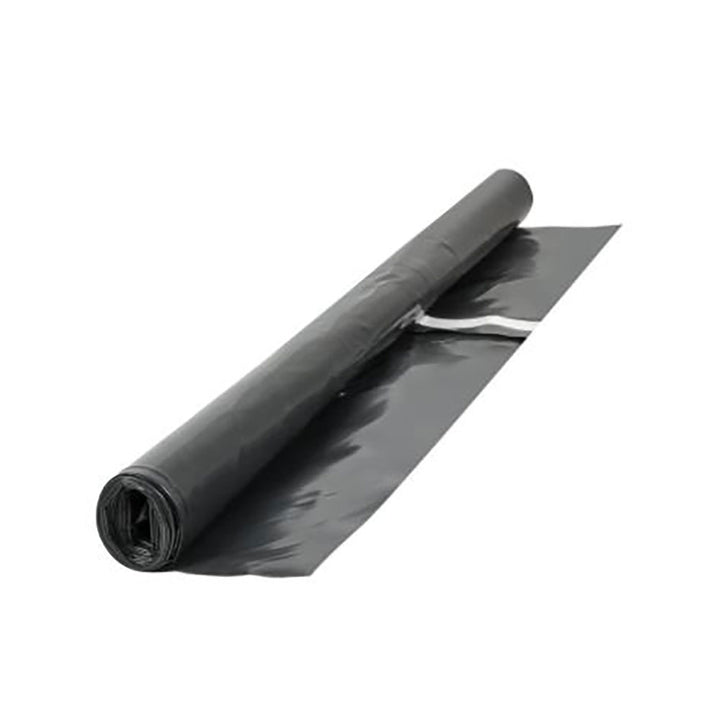
In most cases, yes. Concrete slabs emit moisture vapor, and even waterproof flooring can be affected when moisture migrates through the locking joints and reaches the subfloor layer. A moisture-barrier underlayment creates a protective layer that limits vapor transmission. For below-grade installations or any concrete slab with known moisture issues, this step is especially important. Some underlayment products have a moisture barrier built in -- look for underlayment rated at 6 mil poly or equivalent.


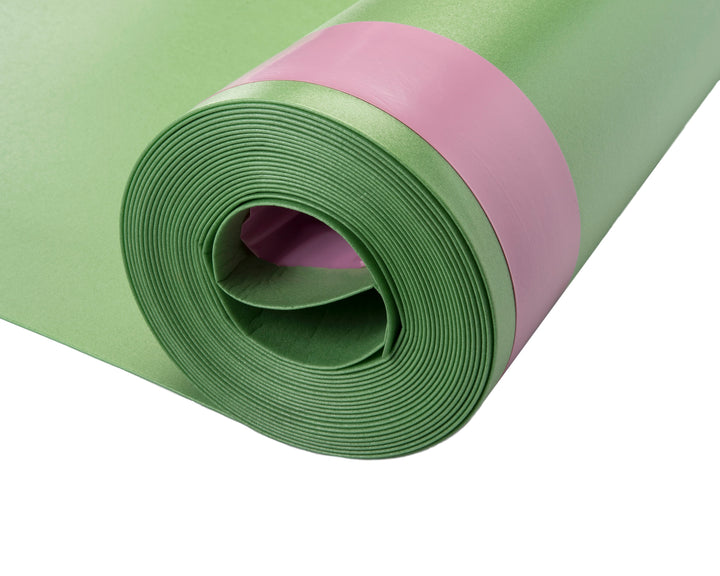 Width: W: 39.0″Length: L: 369"
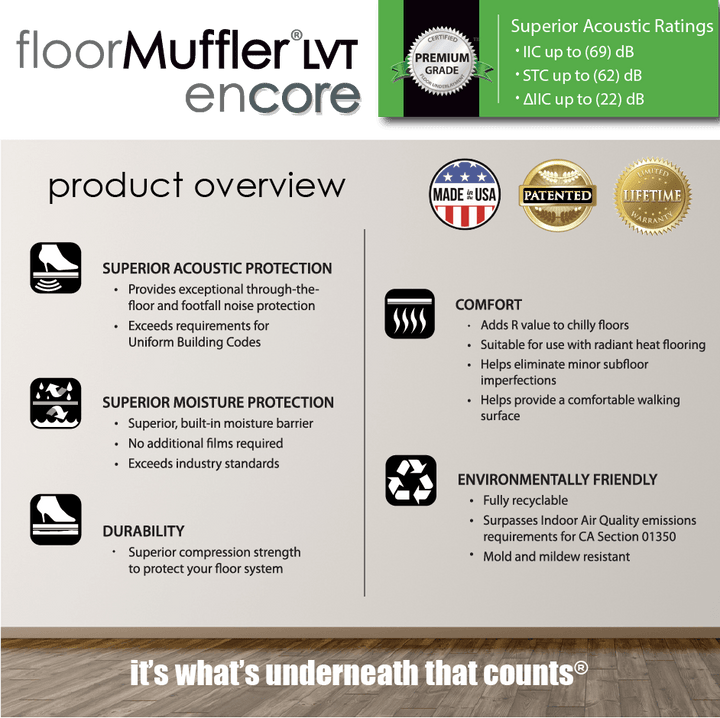 Width: W: 39.0″Length: L: 369"
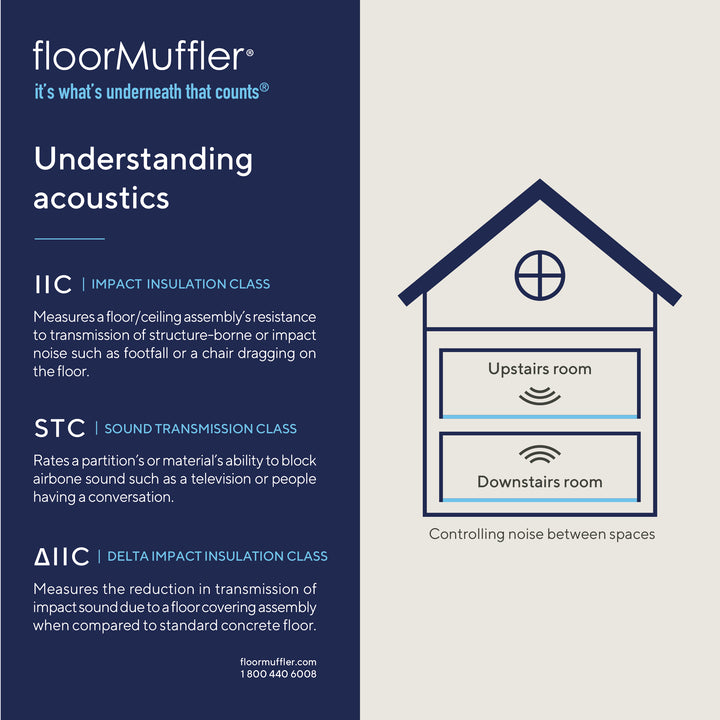 Width: W: 46.5″Length: L: 312"
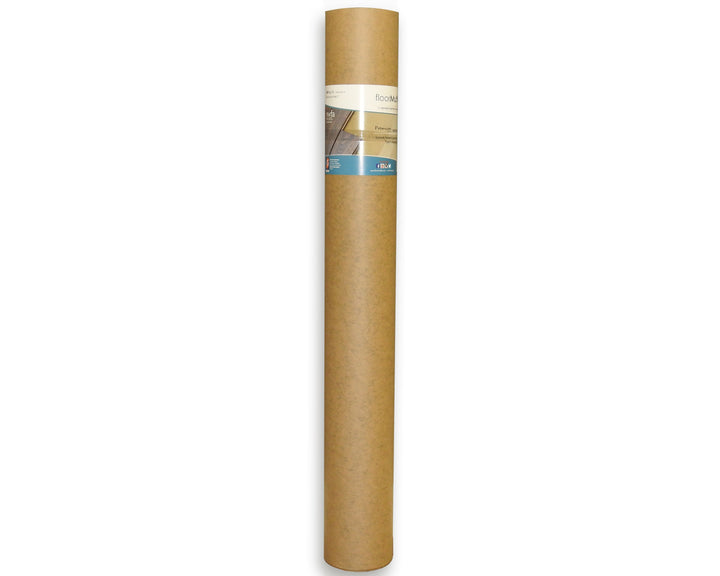 Width: W: 36.0″Length: L: 2000"
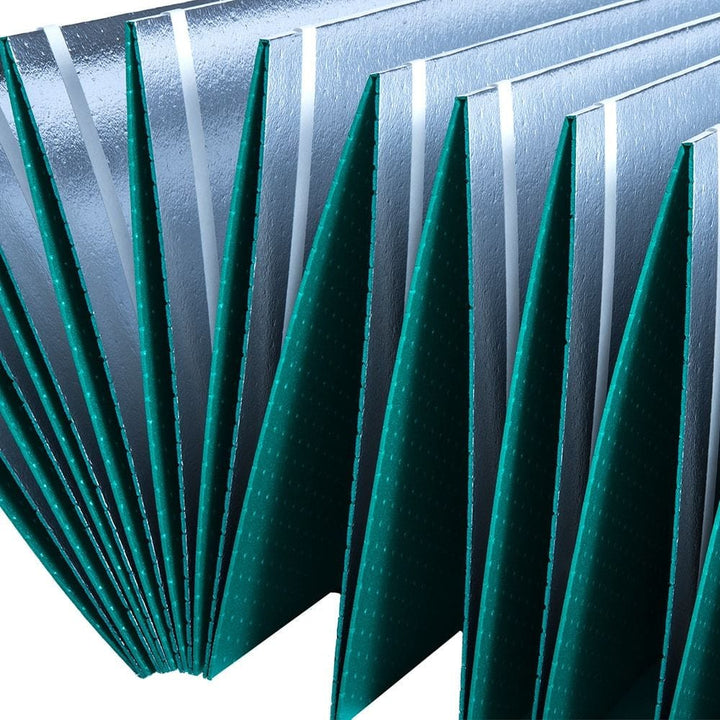 Width: W: 46.7″Length: L: 310"